Eight cities. One sport.
We launch where the football is loudest, the architecture deepest, and the matchday rituals most beautiful.
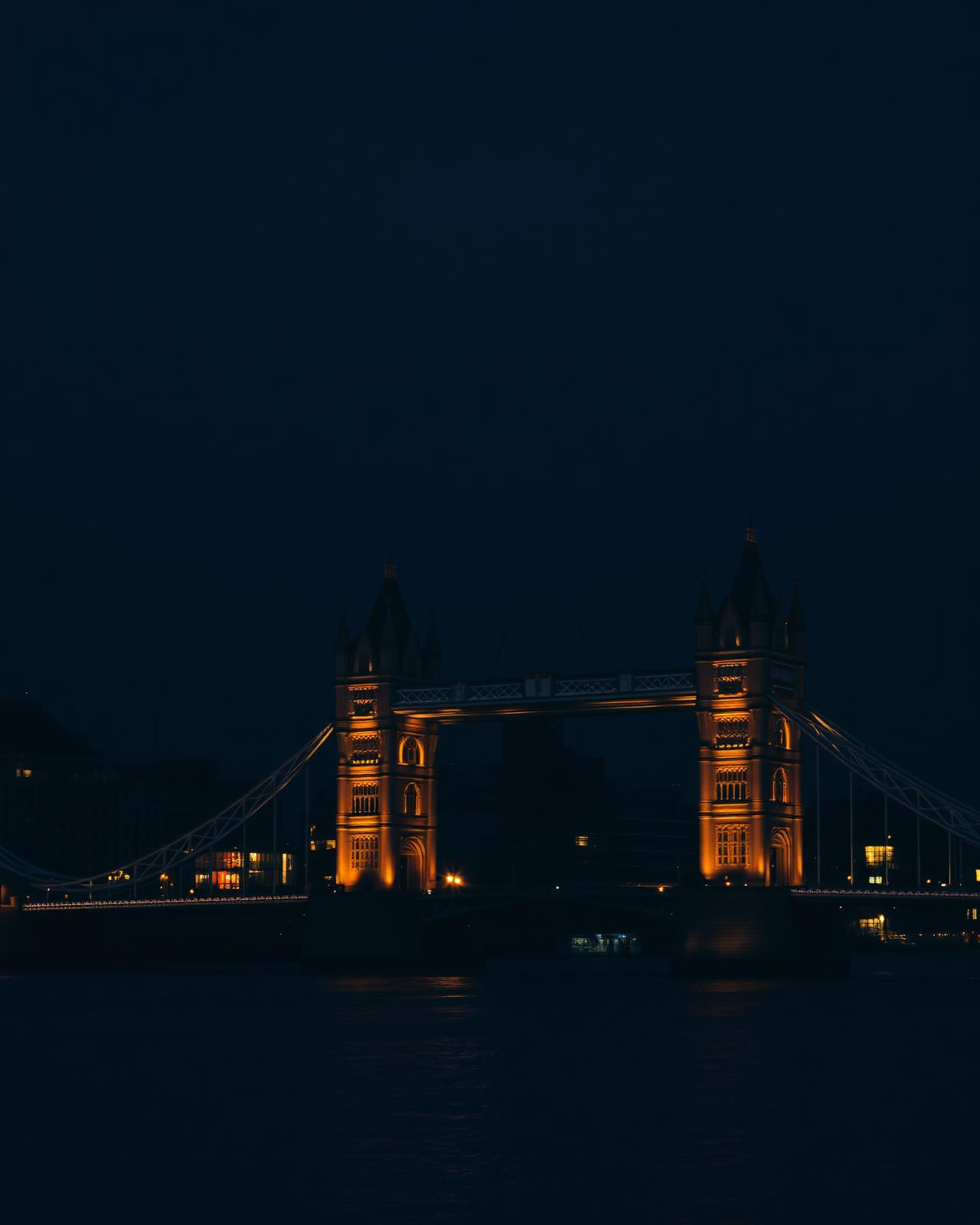
London
Six clubs. One city. Endless rituals.
Arsenal · Chelsea · Tottenham · West Ham · Fulham · Crystal Palace · Brentford · QPR · Millwall · Charlton
No other city stages football like this. Ten tribes, ten postcodes, ten rival songs sung in the same Tube carriage on a Saturday night. We hand you the keys — the discreet ones — to the city behind the scarves.
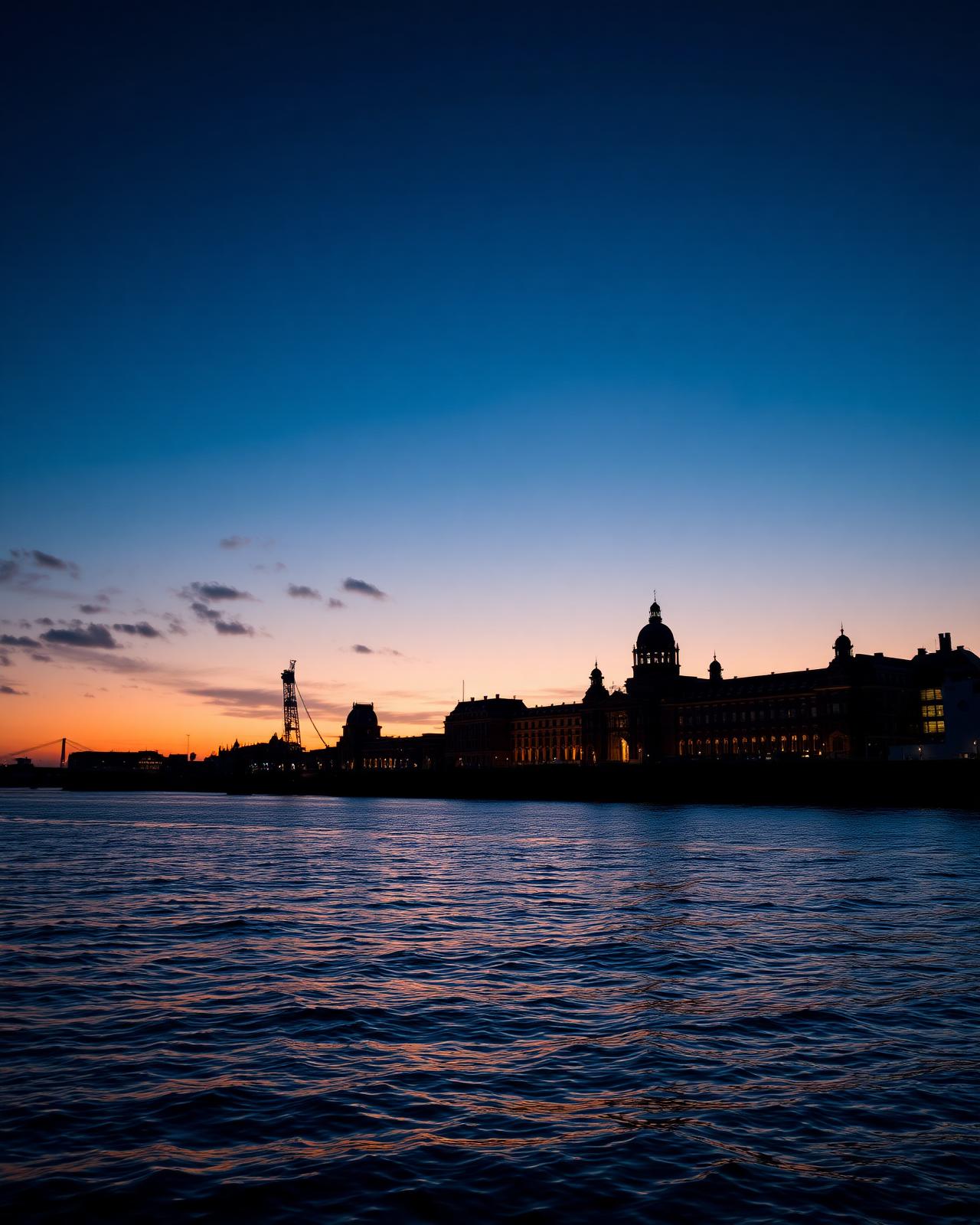
Liverpool
The pilgrimage to Anfield.
Liverpool · Everton
When forty thousand voices lift You'll Never Walk Alone, the hairs on your arms decide for you. This is the city where football was born working-class and stayed that way — proud, loud, and unmistakably its own.
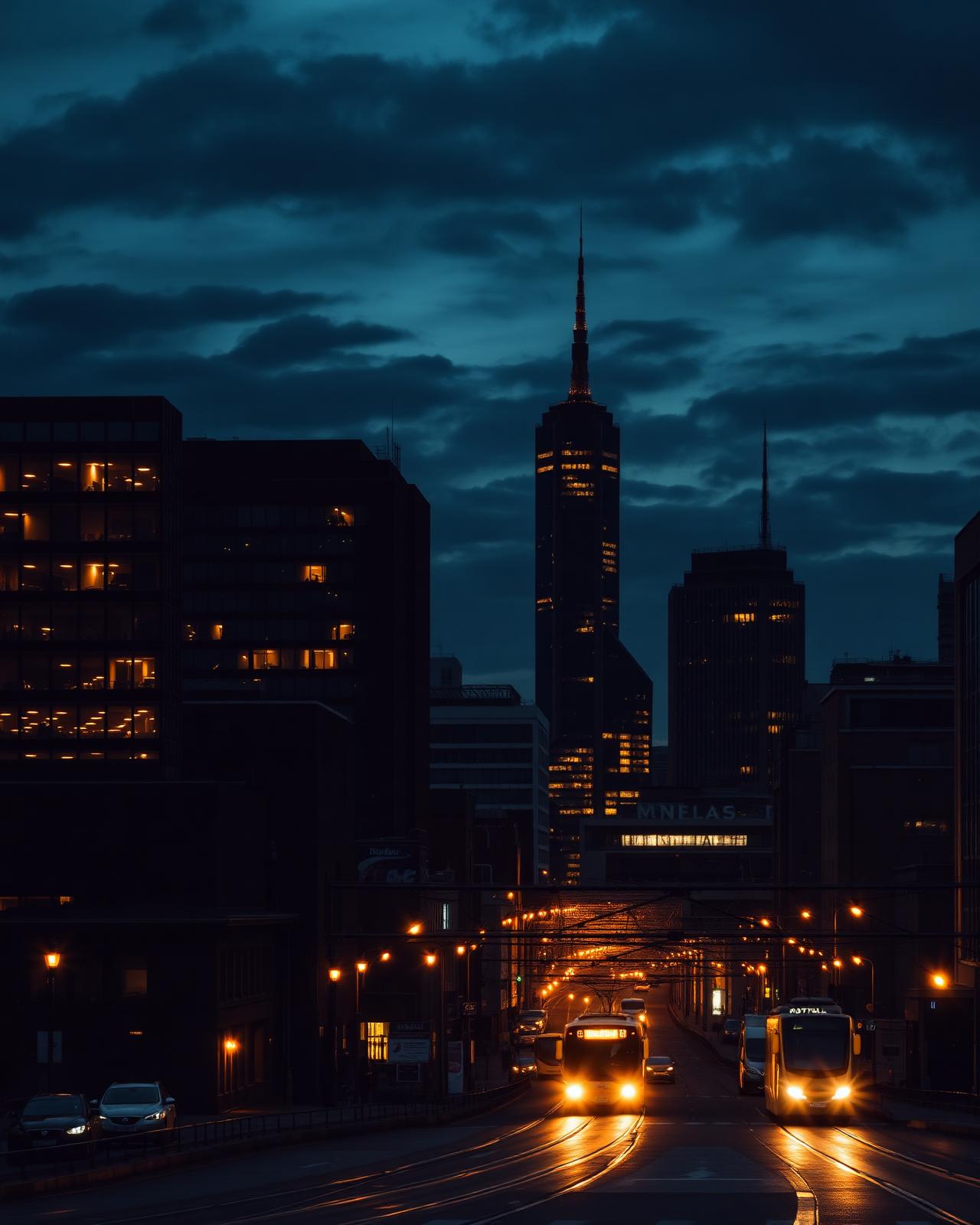
Manchester
Two reds. One sky blue.
Manchester United · Manchester City
Red brick warehouses, rain on cobbles, and a rivalry so charged the city splits down the middle on derby day. Stay in the Northern Quarter, dine in Spinningfields, and feel why Manchester exports its football to the world.
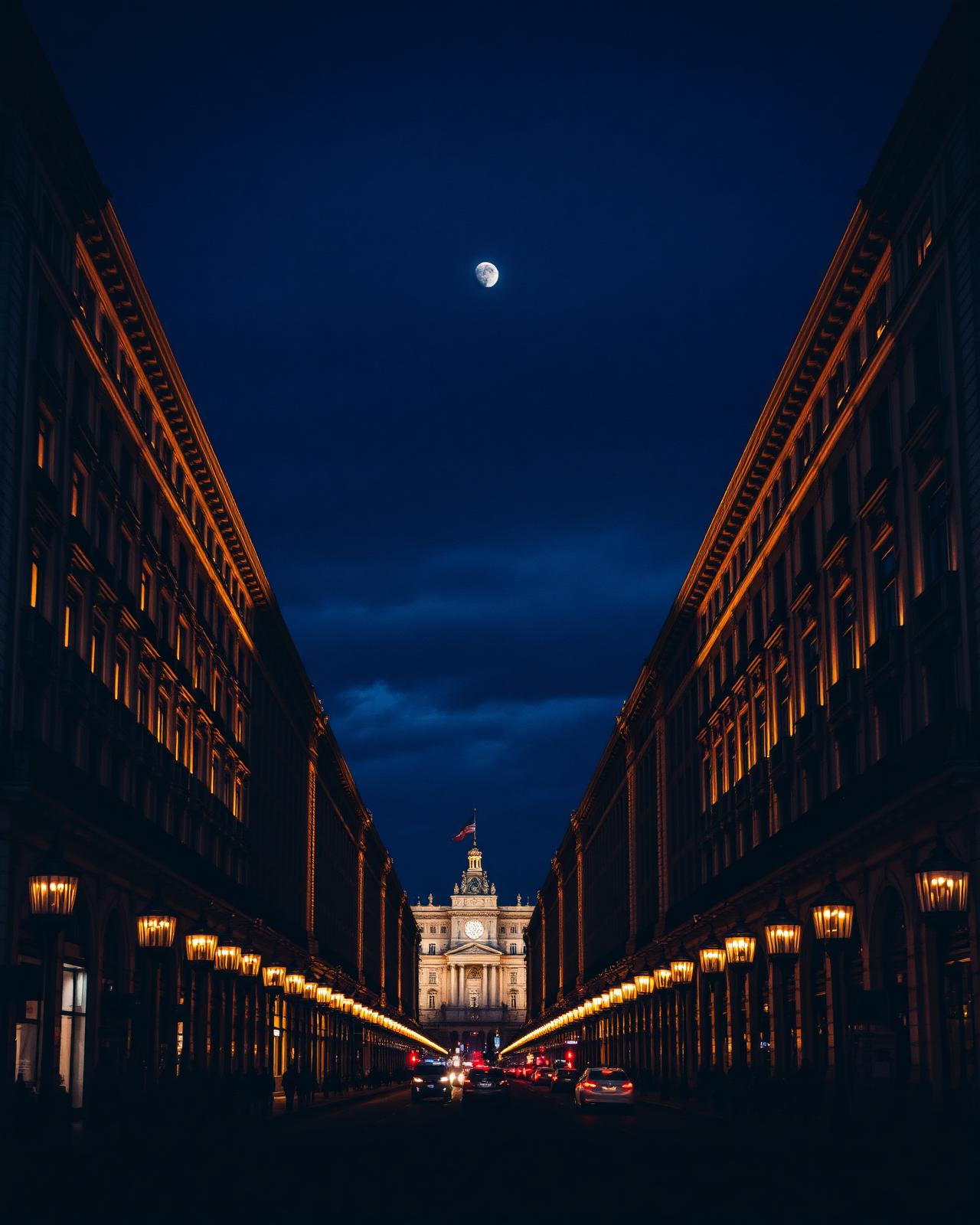
Madrid
Where football is sacred.
Real Madrid · Atlético Madrid
Kick-off at nine, dinner at midnight, the last cocktail as the sun comes up over Retiro. Madrid doesn't accommodate football — it choreographs its entire night around it. The Bernabéu glows, and the city follows.
Barcelona
Més que un cap de setmana.
FC Barcelona · RCD Espanyol
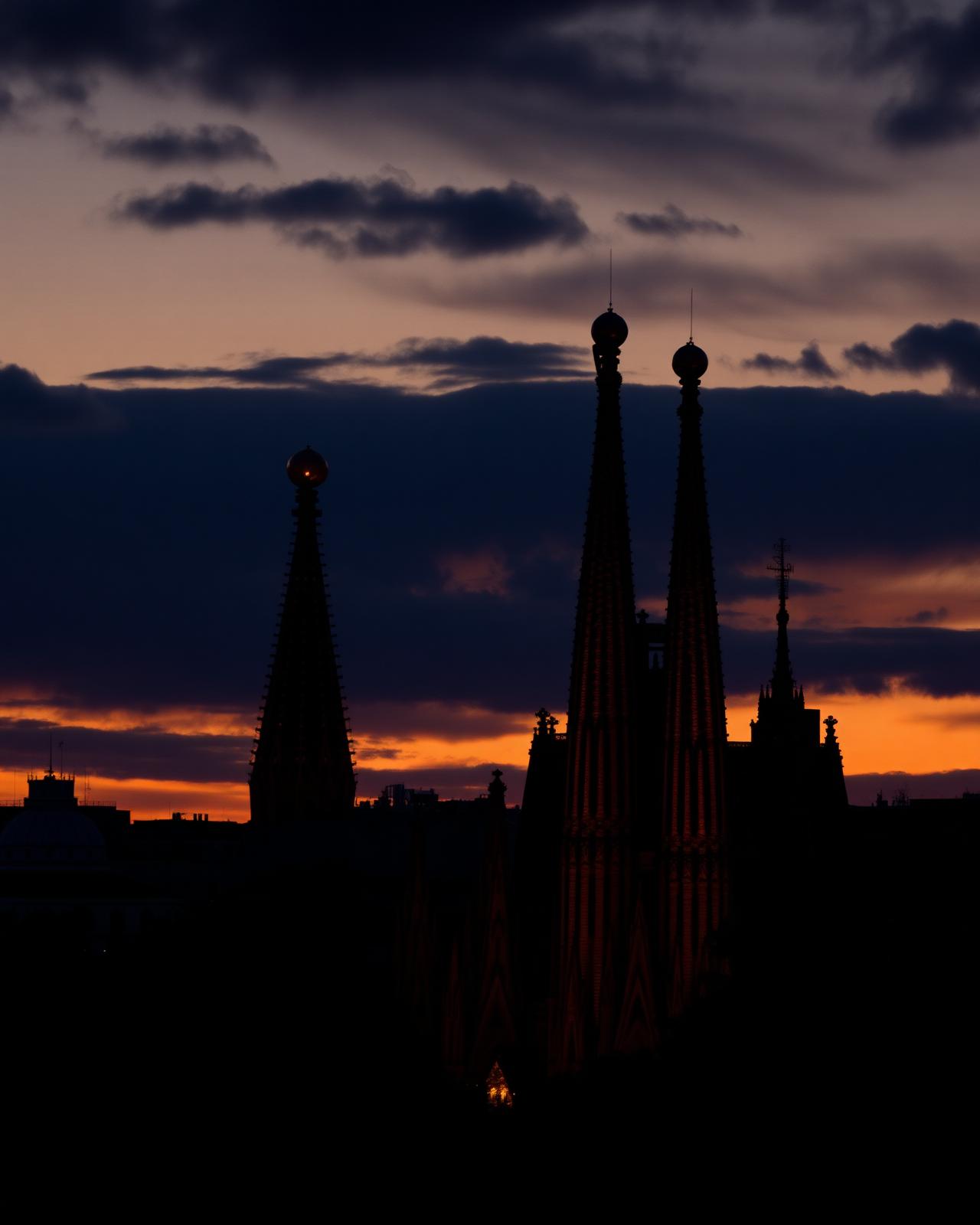
More than a club, more than a weekend. Catalan pride hums through every plaza, every plate of pan amb tomàquet, every chant inside a reborn Camp Nou. You don't visit Barcelona for football — you arrive into a worldview.
Milan
Two clubs. One San Siro.
AC Milan · Inter
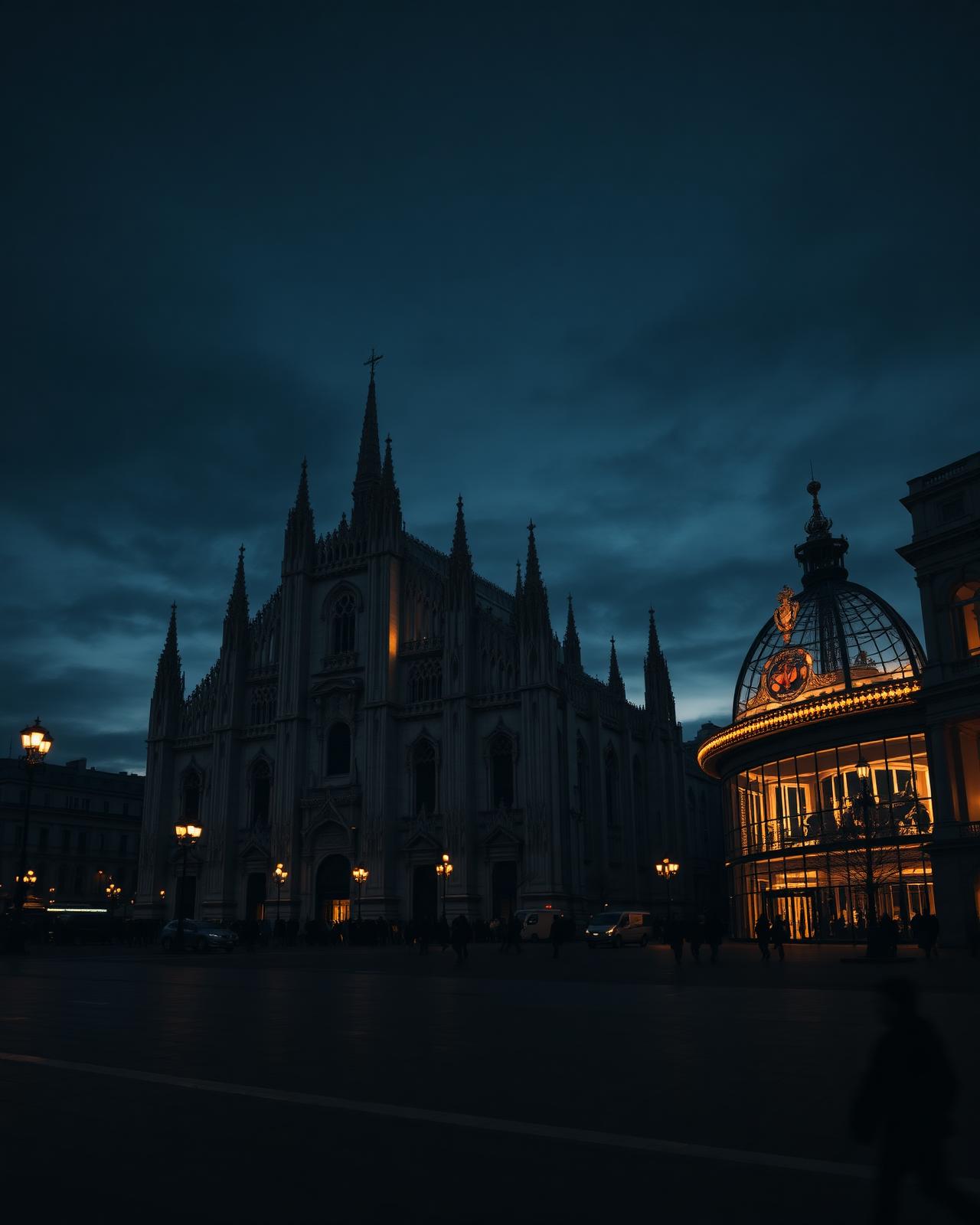
Two cathedrals stand in Milan: the Duomo, and the spiralling concrete of San Siro. Between them lies the most stylish city in football — a place where tifosi wear cashmere, and a Negroni precedes every kick-off.
Munich
Precision. Beer halls. Allianz lights.
Bayern Munich
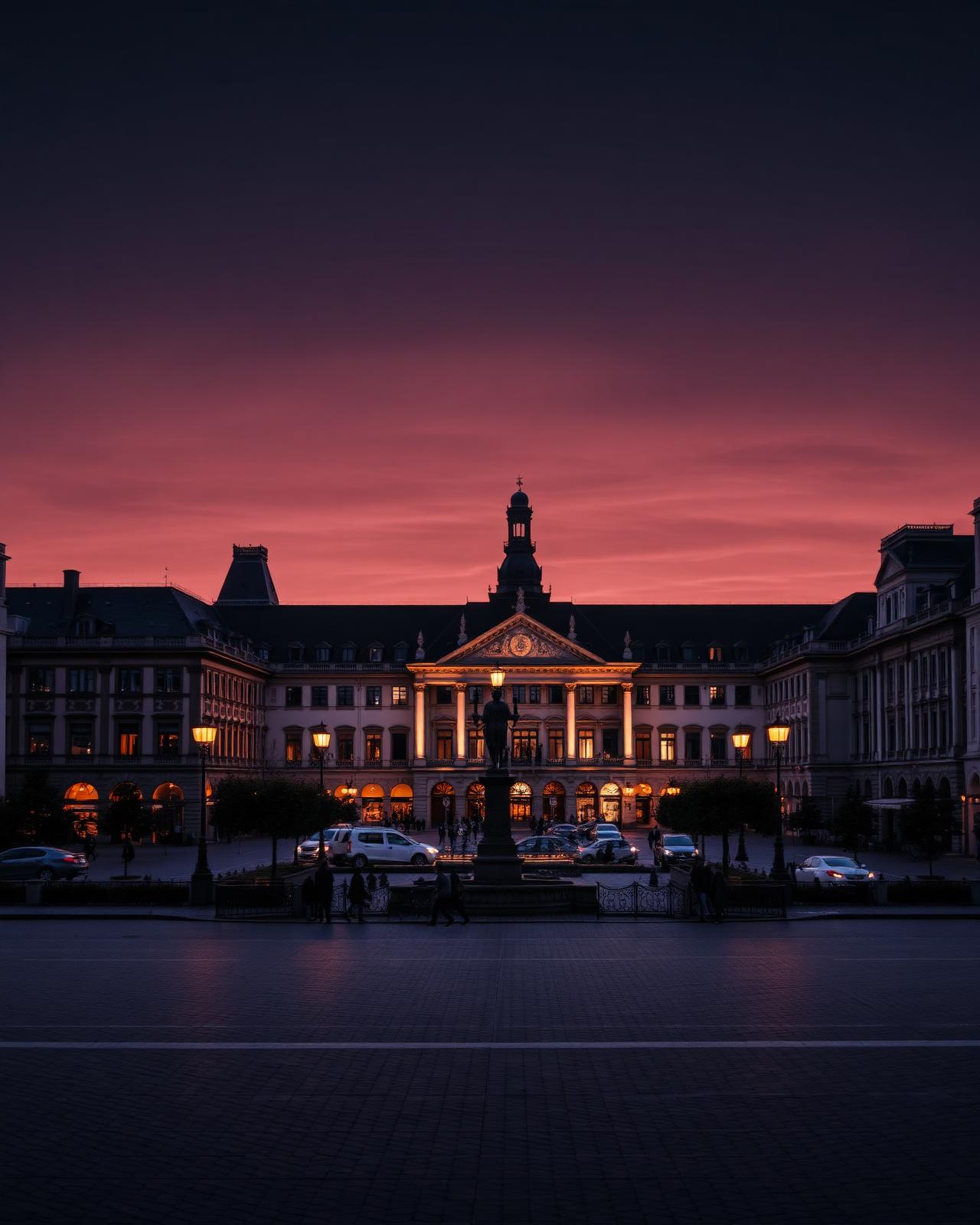
The Allianz turns red against a Bavarian sky and the city exhales. Munich is the rare football capital where the trains run on time, the steins are full, and the standards — on and off the pitch — never bend.
Paris
Le Parc des Princes, properly.
Paris Saint-Germain
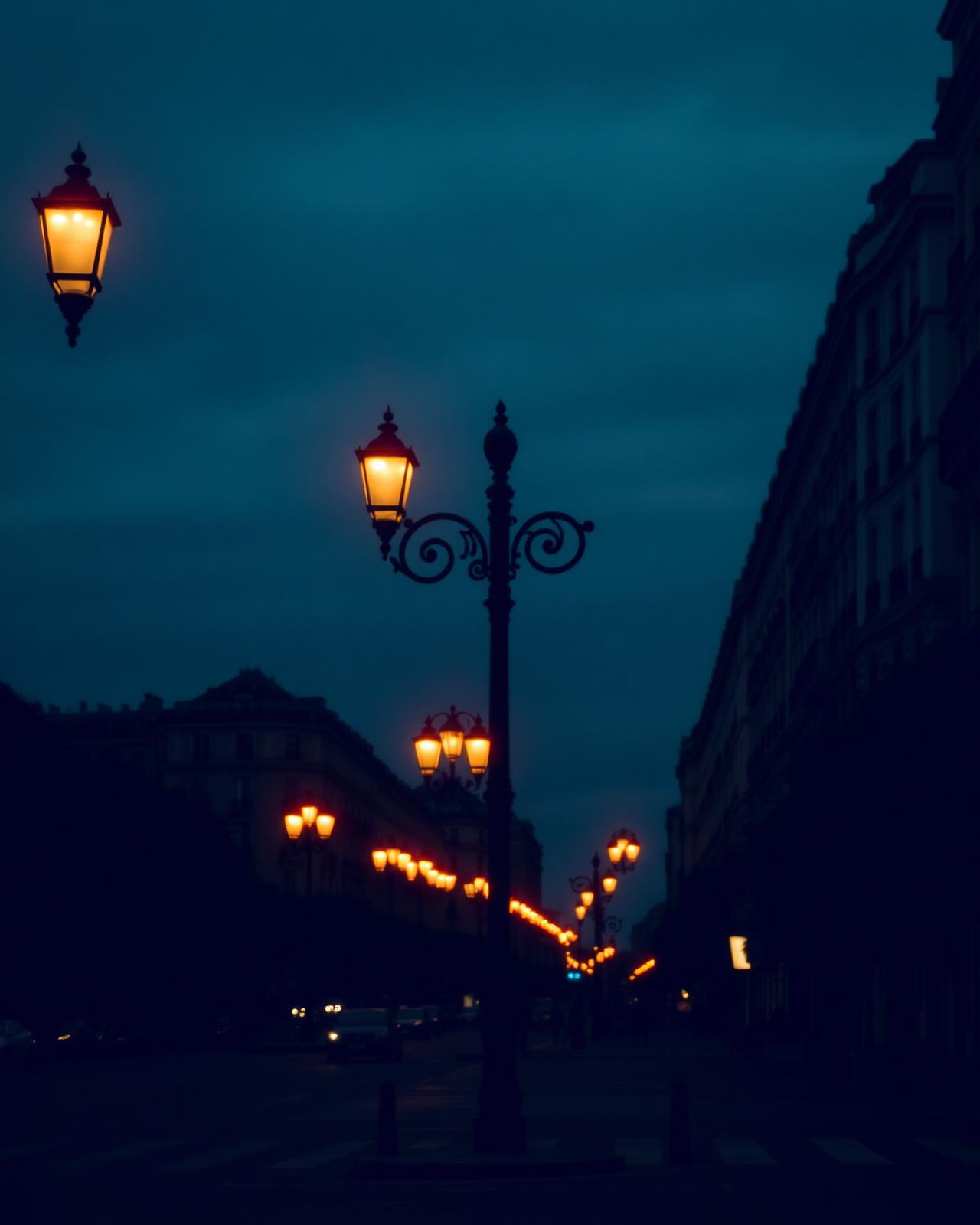
Paris doesn't whisper. Floodlights wash the Parc des Princes in blue and red, the 16th hums with anticipation, and somewhere on the Left Bank a table is held in your name. Football here arrives wrapped in the city's oldest art: glamour.
Dortmund
The Yellow Wall awaits.
Borussia Dortmund
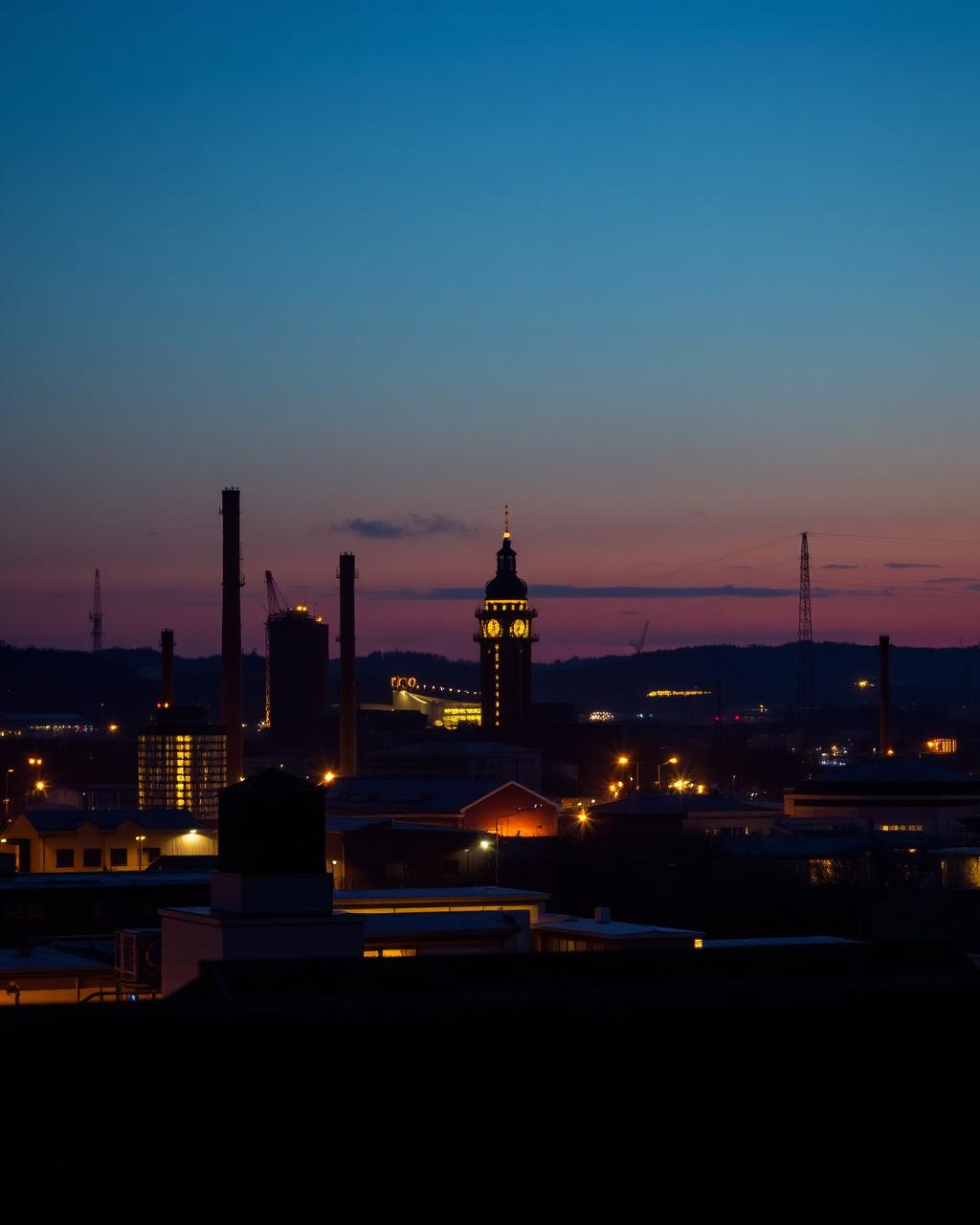
Twenty-five thousand people on a single terrace, scarves overhead, the Südtribüne becoming a single yellow organism. There is no louder ninety minutes in football — and Dortmund the city wears its working-class soul as proudly as its kit.
Berlin
Two clubs. One restless capital.
Union Berlin · Hertha BSC
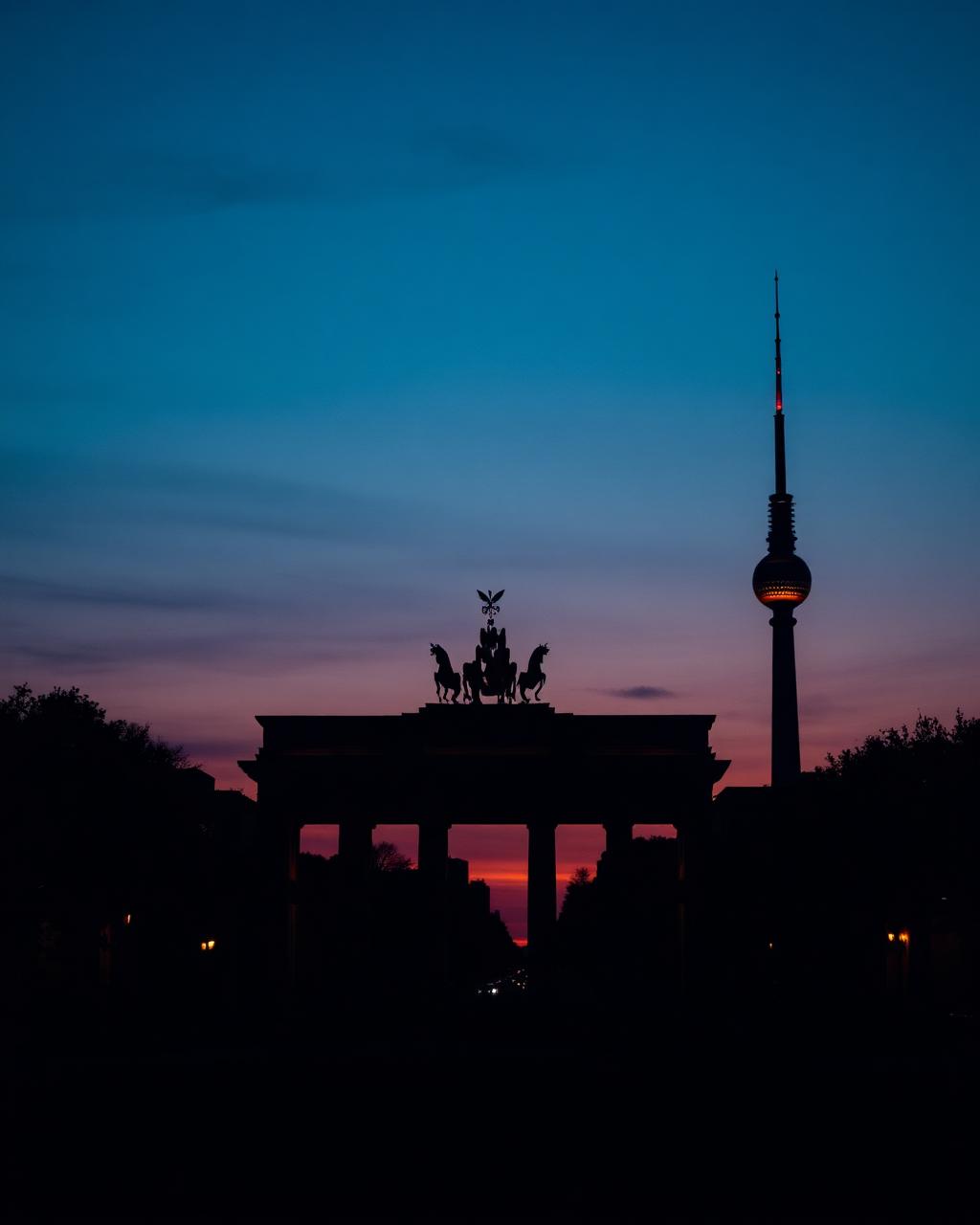
An Alte Försterei night under floodlights and pine trees, fans singing in the round; a Hertha Saturday in the colossal shadow of '36. Berlin doesn't perform football for tourists — it lives it, in two opposite languages, in the same city.
Hamburg
Harbour city. Pirate club.
FC St. Pauli · Hamburger SV
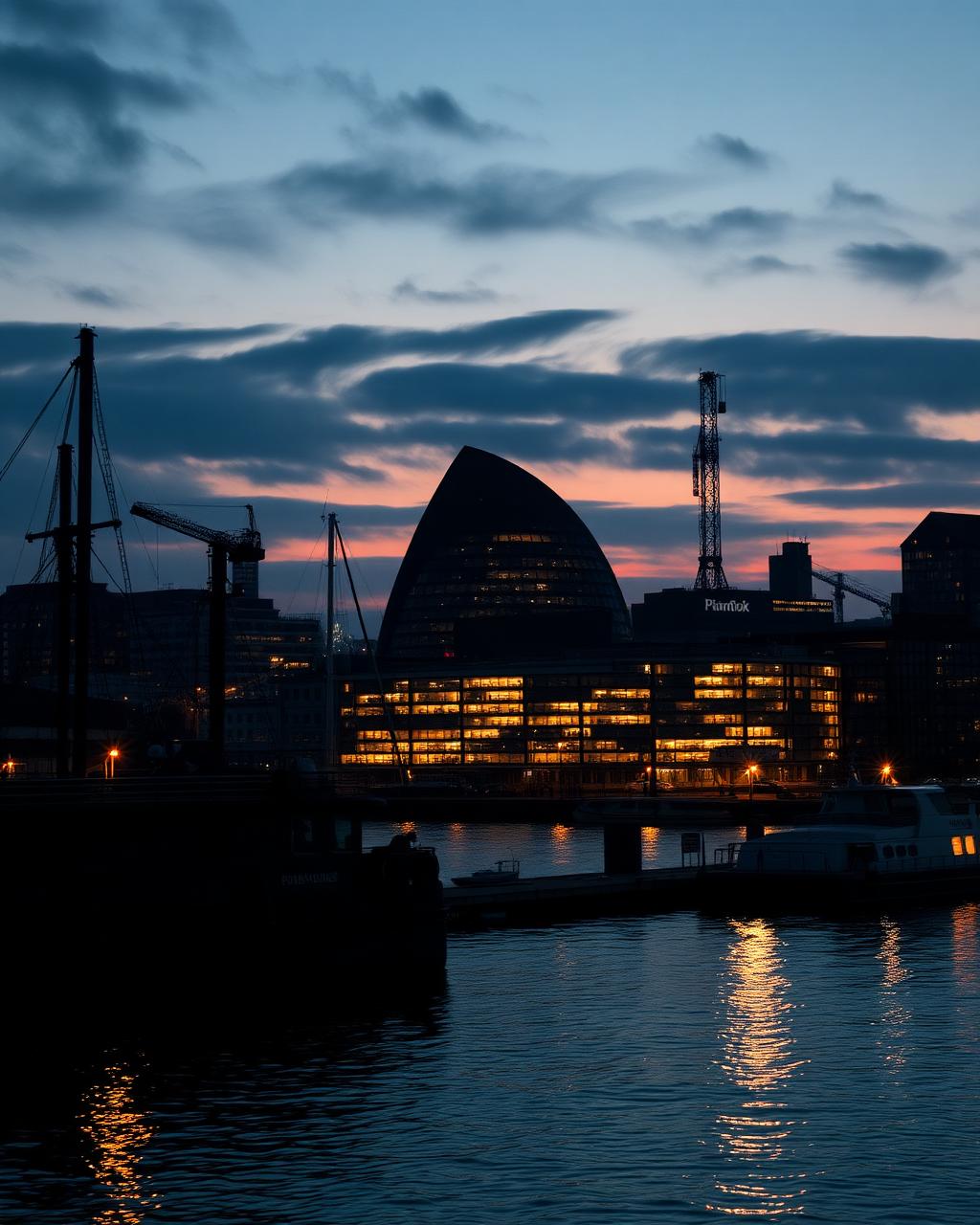
St. Pauli is the only club in football where the totenkopf flies above the stand and the whole stadium means it. Hamburg is hanseatic, harbour-rough, and quietly luxurious — the kind of city that puts you on a yacht in the morning and a punk terrace by night.
Frankfurt
Skyscrapers. Eagles. Apfelwein.
Eintracht Frankfurt
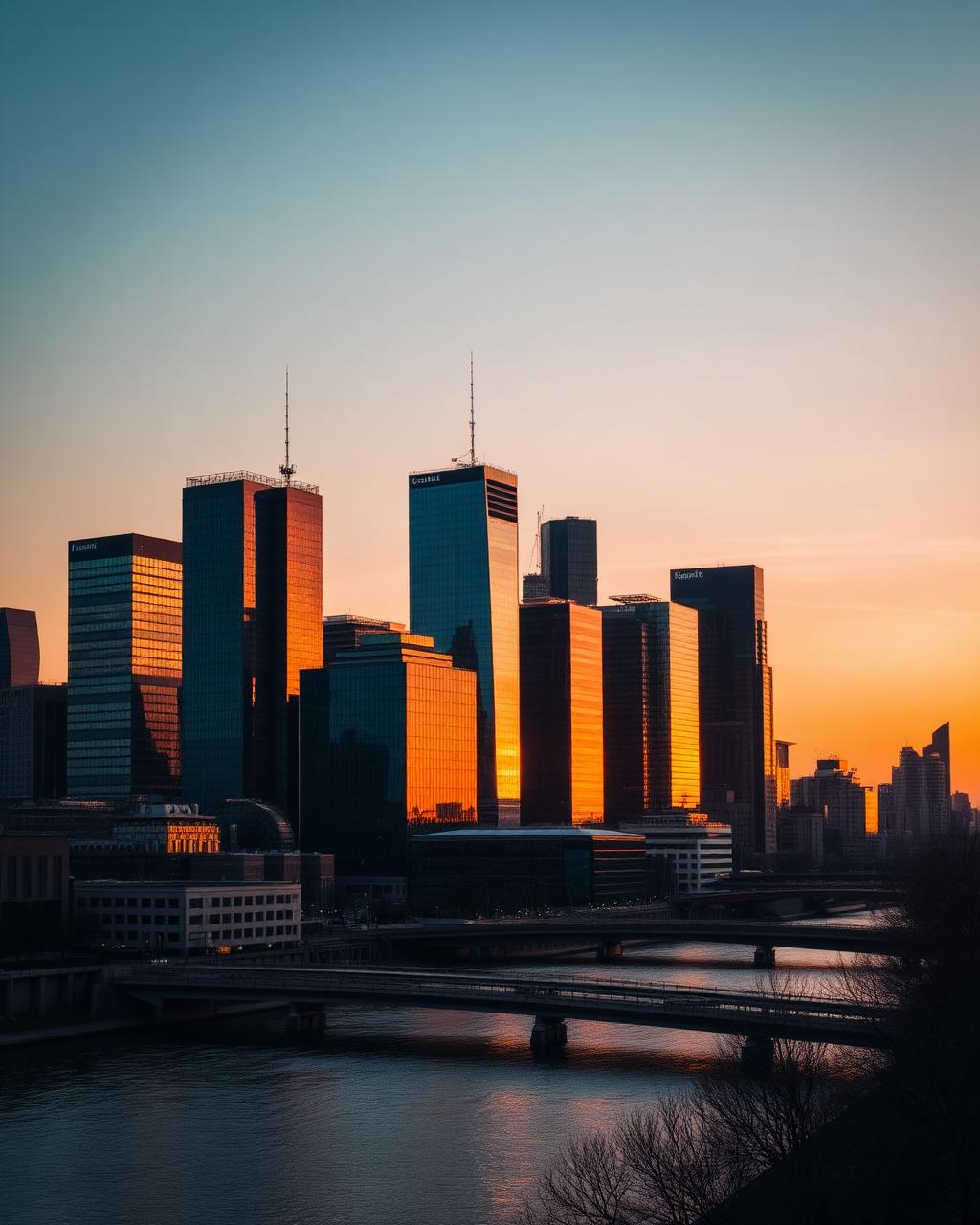
Eintracht in Europe is a religion: ten thousand white shirts moving across a continent, banks of fire above the Nordwestkurve. Frankfurt the city is steel-and-glass on the outside, apple-wine taverns on the inside — and football is the bridge between the two.
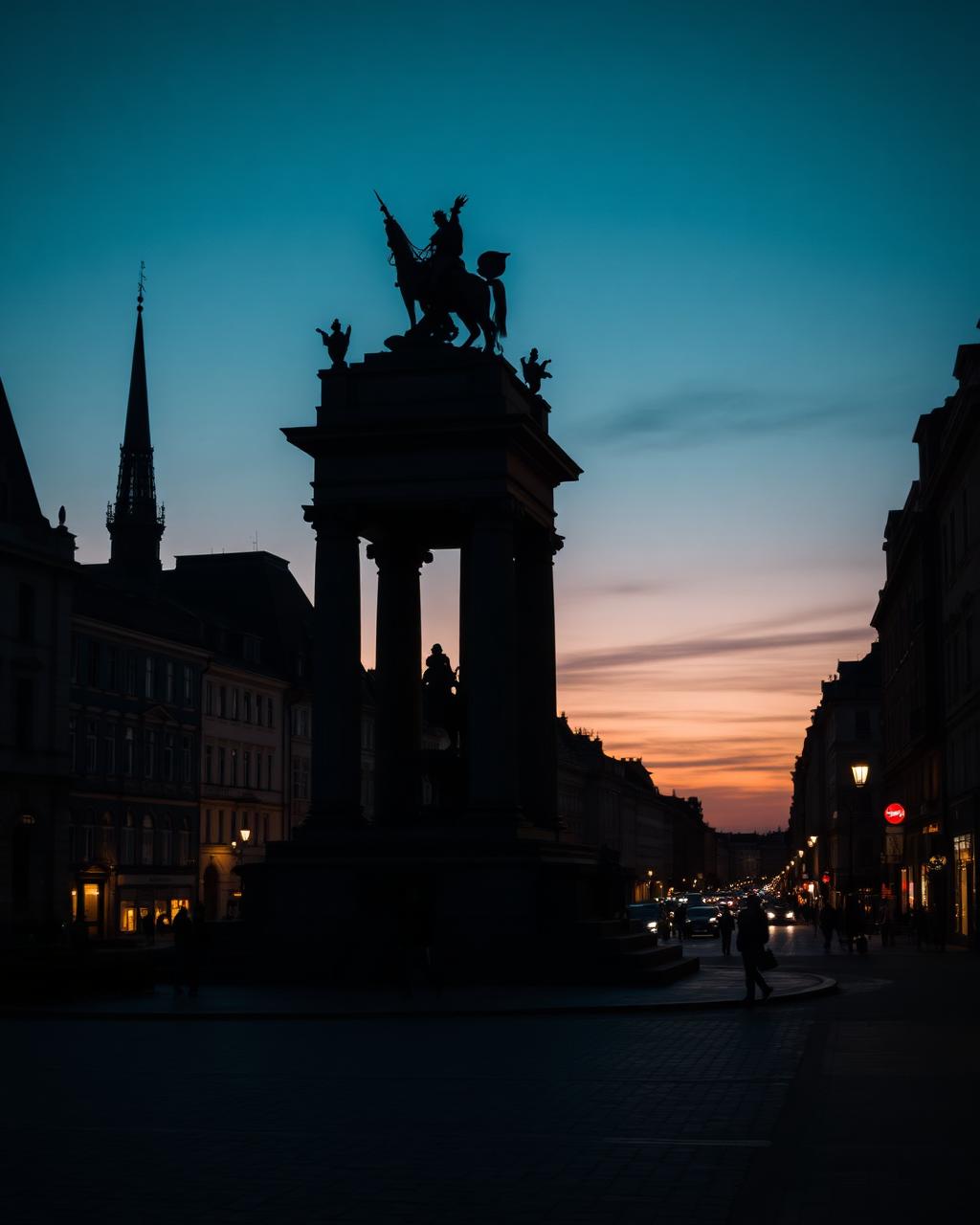
Leipzig
The new contender, the old soul.
RB Leipzig
Leipzig moves to a different rhythm — coffeehouse traditions, Karl-Heine-Strasse galleries, a stadium dropped inside a 100-year-old shell. Loved or loathed, RB Leipzig has put this city on every European weekend's calendar.
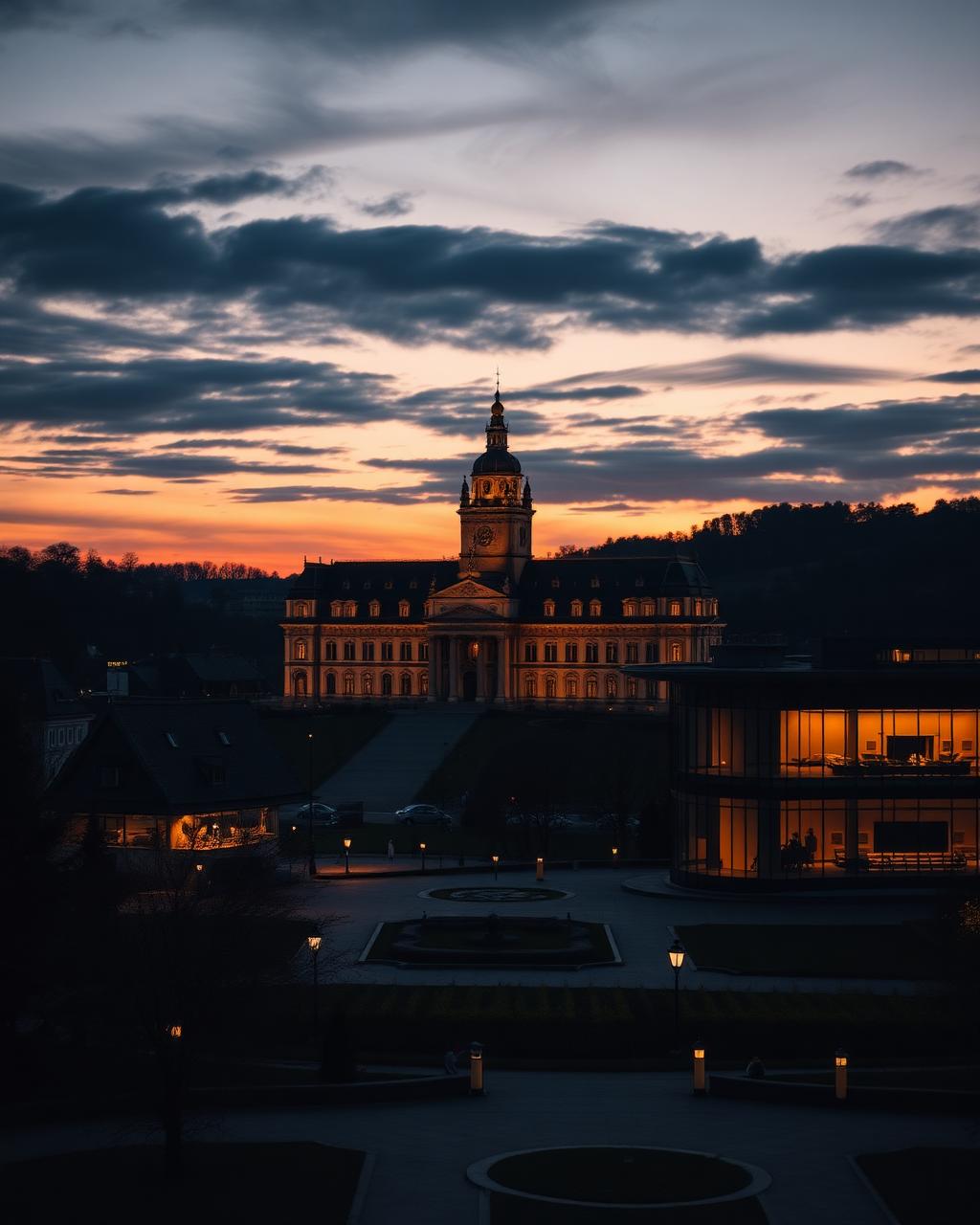
Stuttgart
Engineered to perfection.
VfB Stuttgart
Stuttgart is built on precision — the cars, the wine, the way the MHPArena fills before kick-off. VfB matchdays are pure Swabian theatre: scarves up at the first whistle, beer steady, standards higher than the federal average.
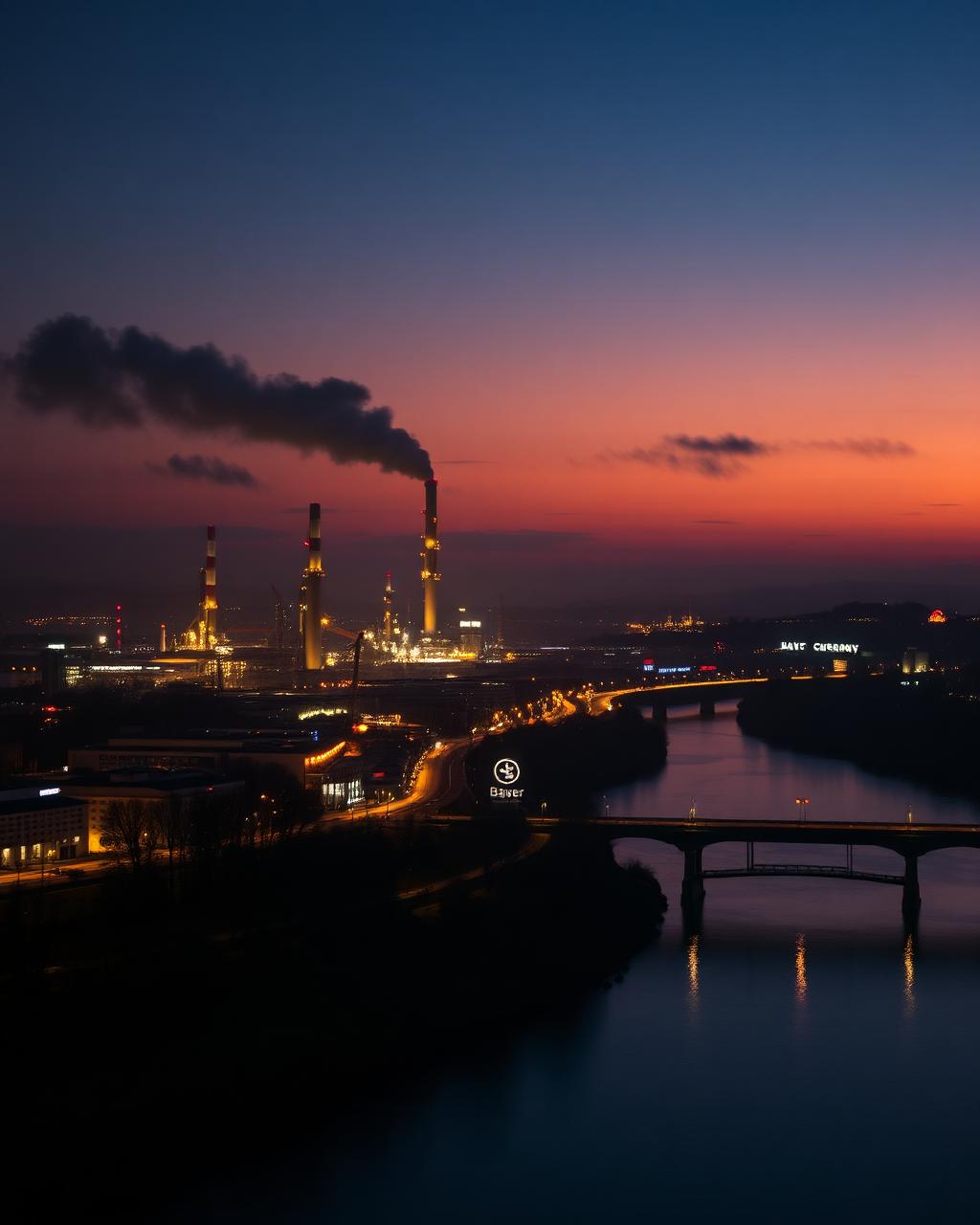
Leverkusen
The chemistry of a champion.
Bayer 04 Leverkusen
For a generation Leverkusen meant 'Neverkusen.' Then Xabi came, and the BayArena turned into the loudest 30,000-seater in Europe. Stay across the river in Köln, ride the train in, and feel a club that finally chose the front of the table.
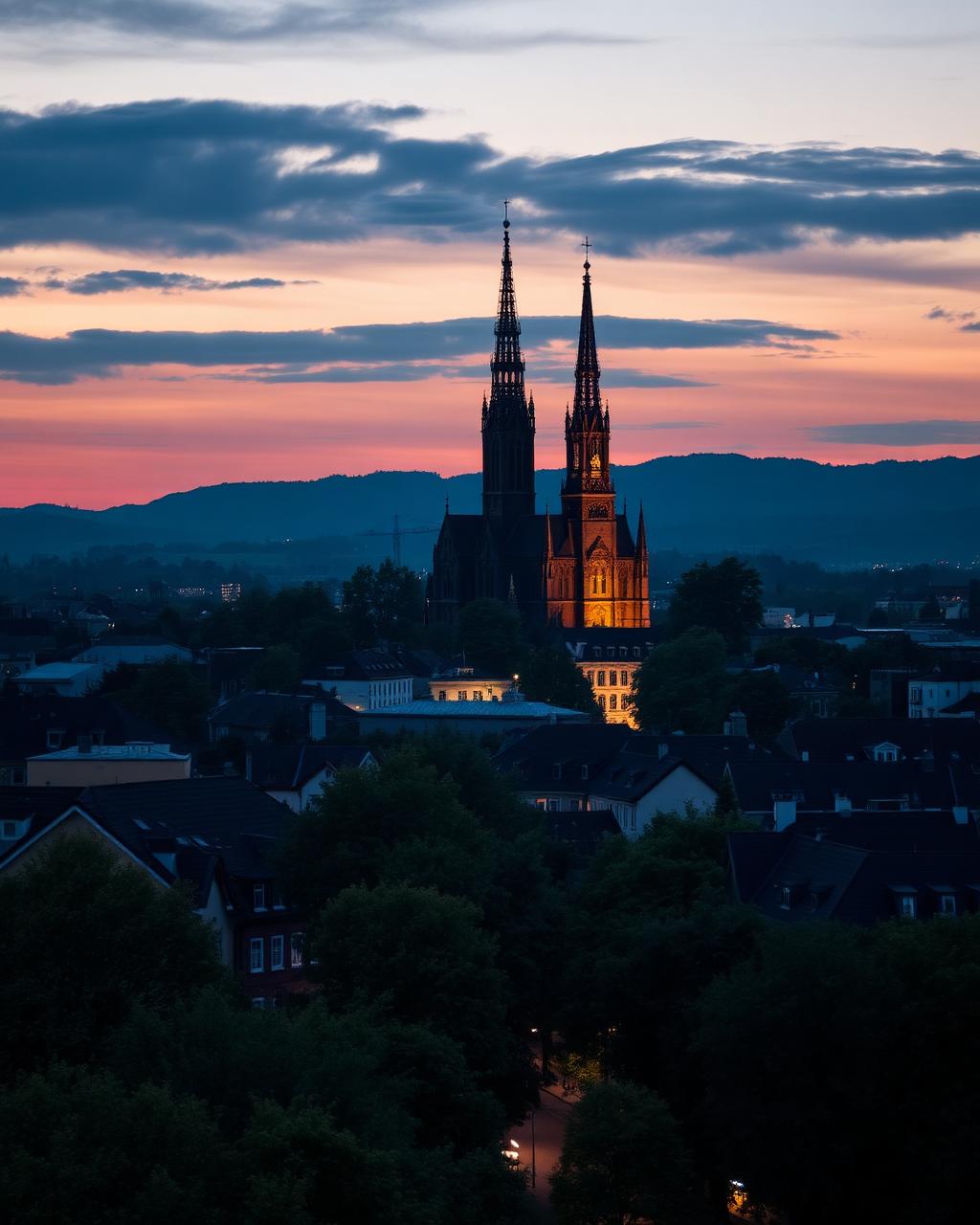
Mönchengladbach
Foals on the Rhine.
Borussia Mönchengladbach
Gladbach plays a different football — romantic, attacking, slightly tragic, sung about in every German pub. The Nordkurve doesn't sit down for ninety minutes, and the surrounding Rhineland is some of the prettiest country German weekends offer.
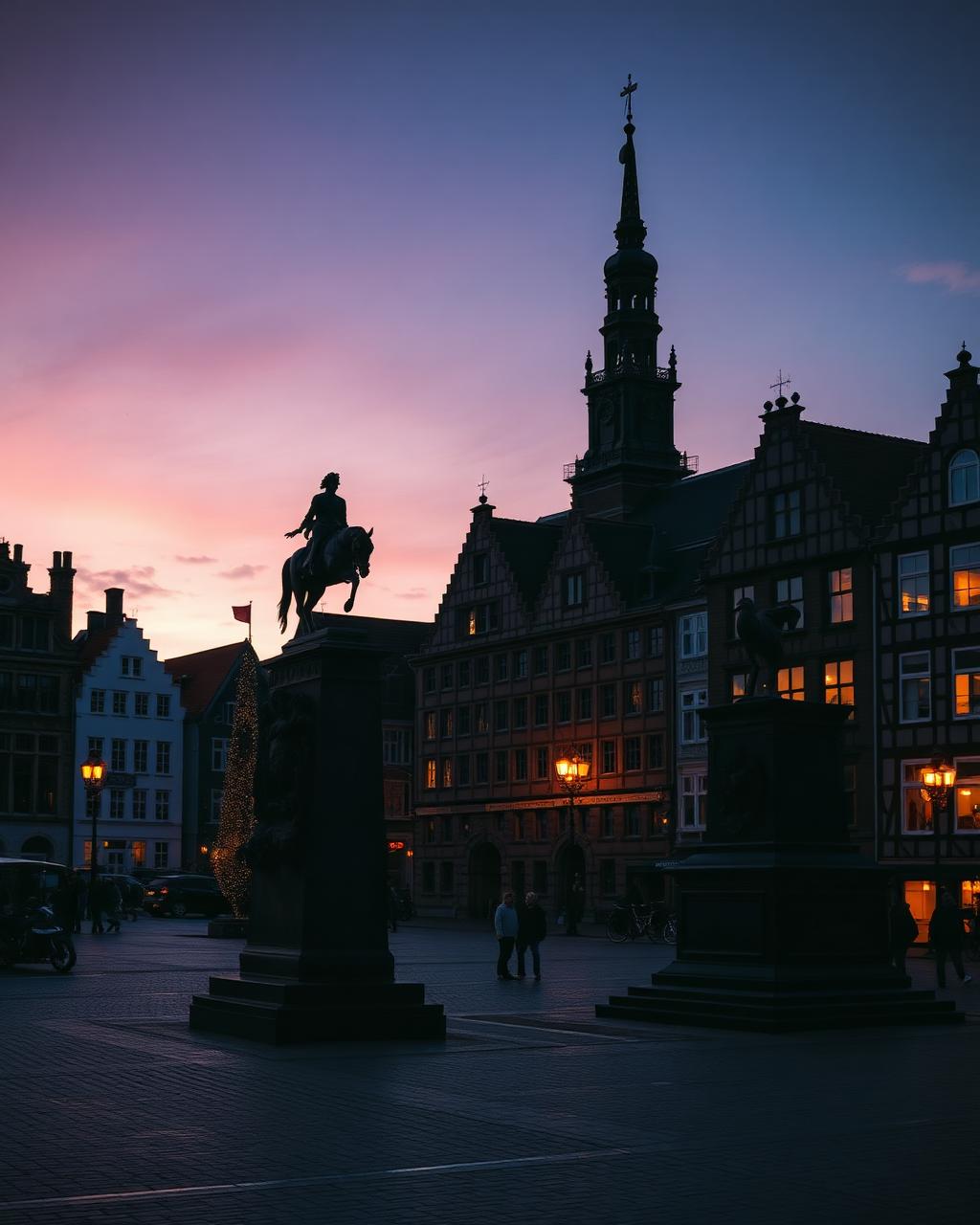
Bremen
Hanseatic green.
Werder Bremen
Werder is the soul of north Germany — green and white, stubbornly traditional, played out in a stadium that is one of the most beautiful technical builds in football. Match in the afternoon, fish at the harbour, jazz cellar after dark.
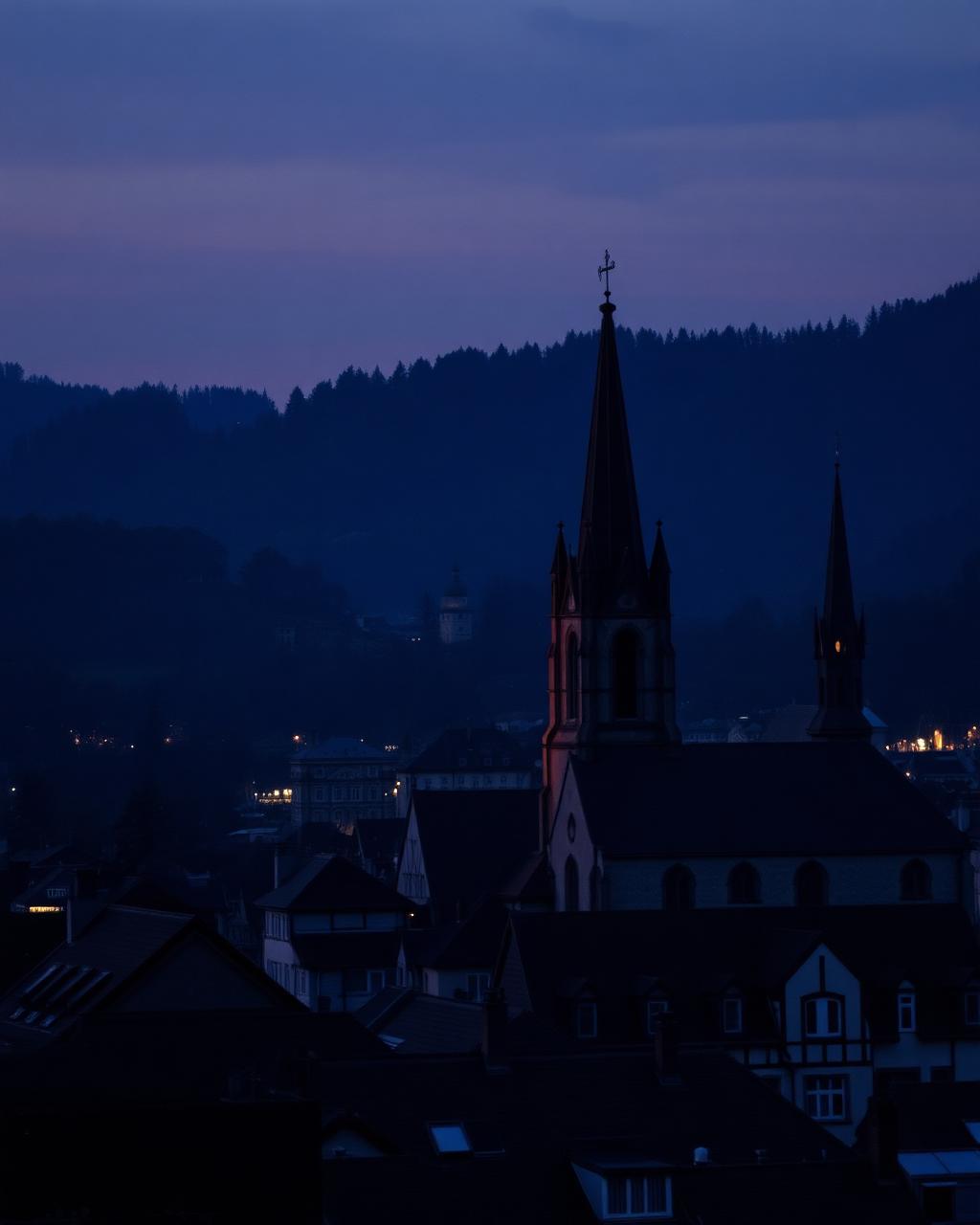
Freiburg
Black Forest football, sunshine football.
SC Freiburg
Freiburg is the German football fairytale — a small Schwarzwald city beating giants with smart recruitment and a solar-powered stadium. The medieval altstadt, the wine of Baden, and a manager who outlasts coaching cycles. A pilgrimage for purists.
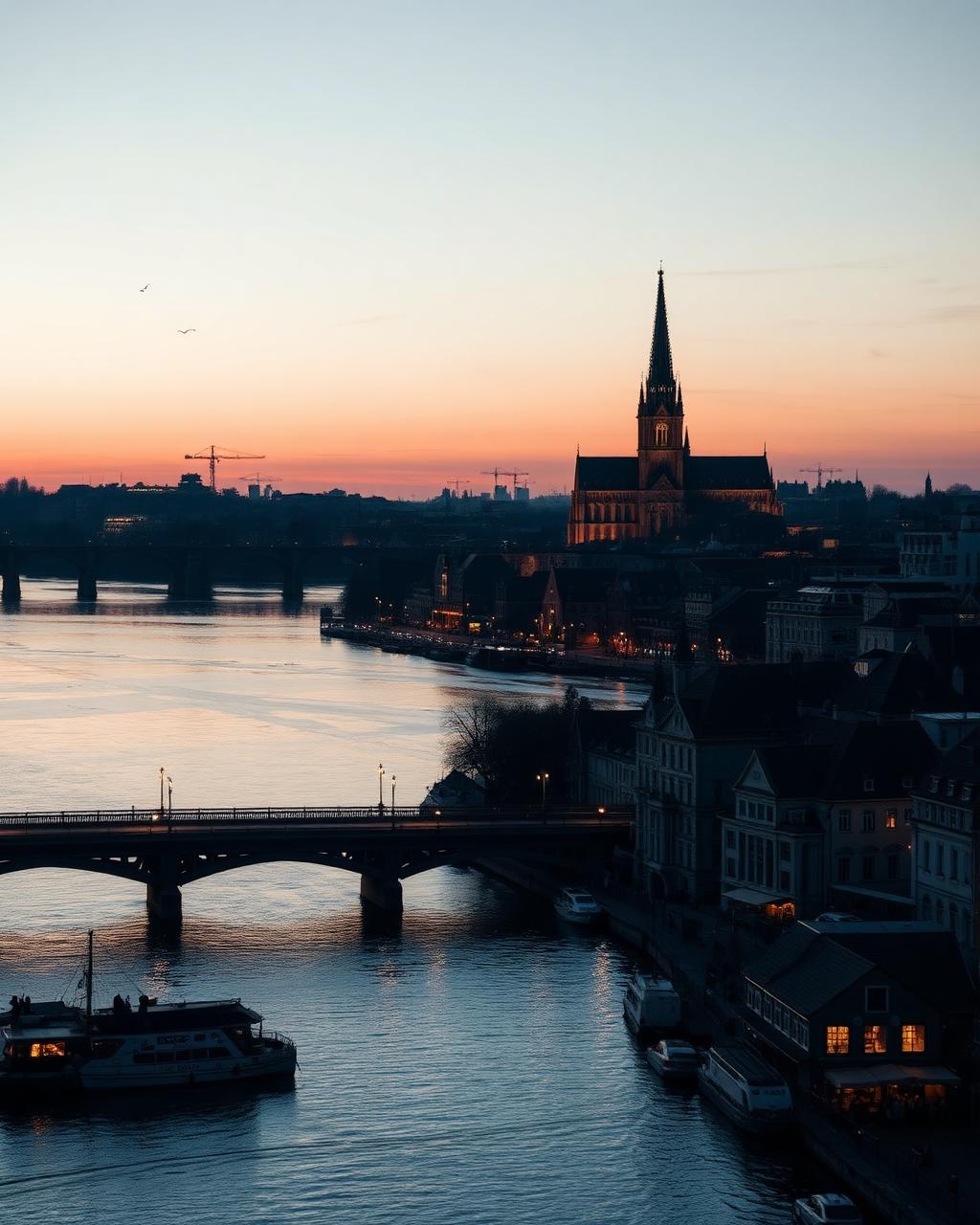
Mainz
Karneval. Riesling. Football.
Mainz 05
Mainz is a small city with three obsessions: wine, carnival, and the 05ers. The Mewa stays loud for ninety minutes regardless of the table, and the old town's Weinstuben pour Riesling that Frankfurt and Wiesbaden quietly drive in for.
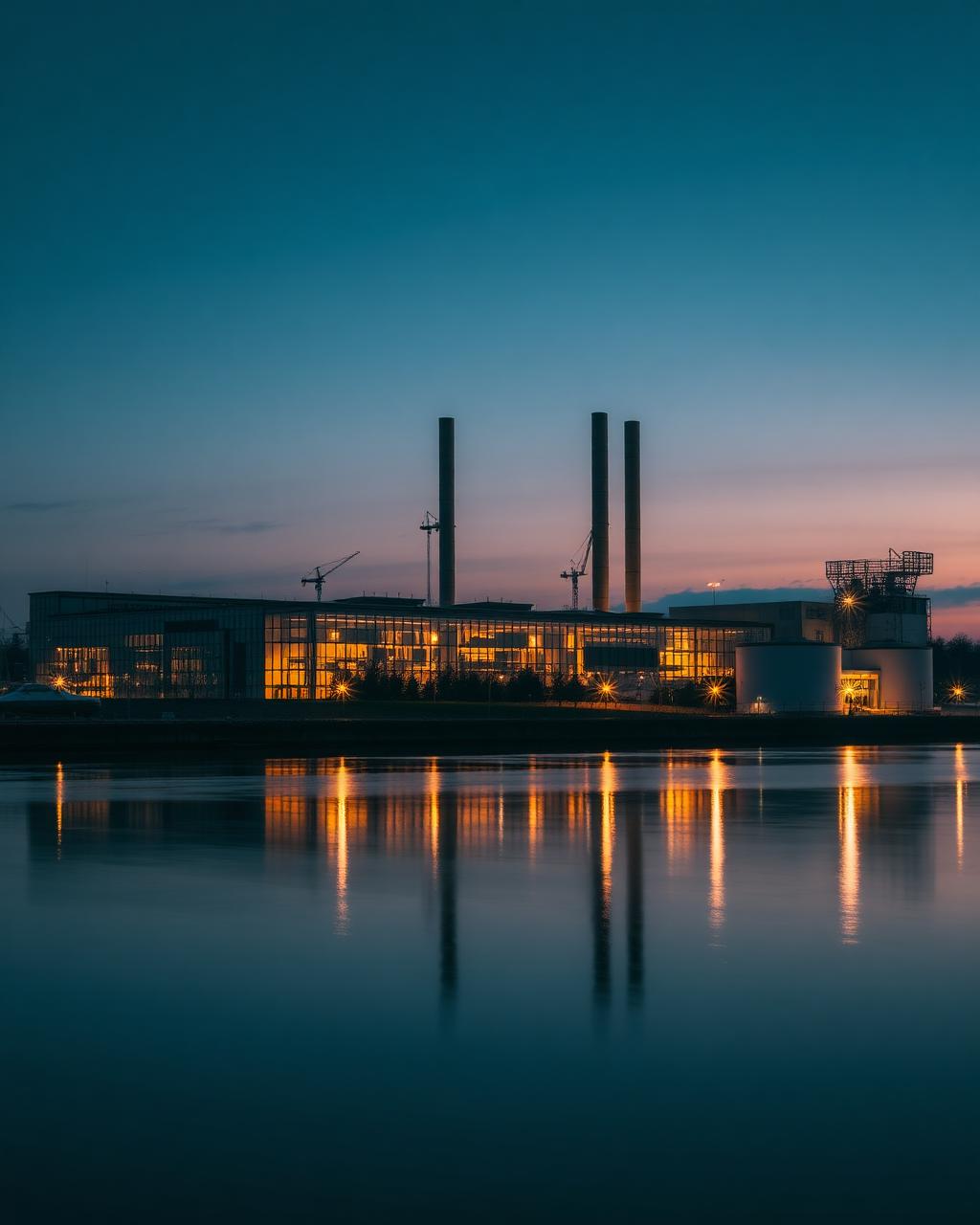
Wolfsburg
The factory team, properly done.
VfL Wolfsburg
Wolfsburg is engineering culture set to a football schedule. Tour the Autostadt in the morning, dine on the canals, and watch the Wolves under floodlights — a club born from industry that has earned its place at Europe's high table.
Sinsheim
Vineyards, castles, the Kraichgau.
TSG Hoffenheim
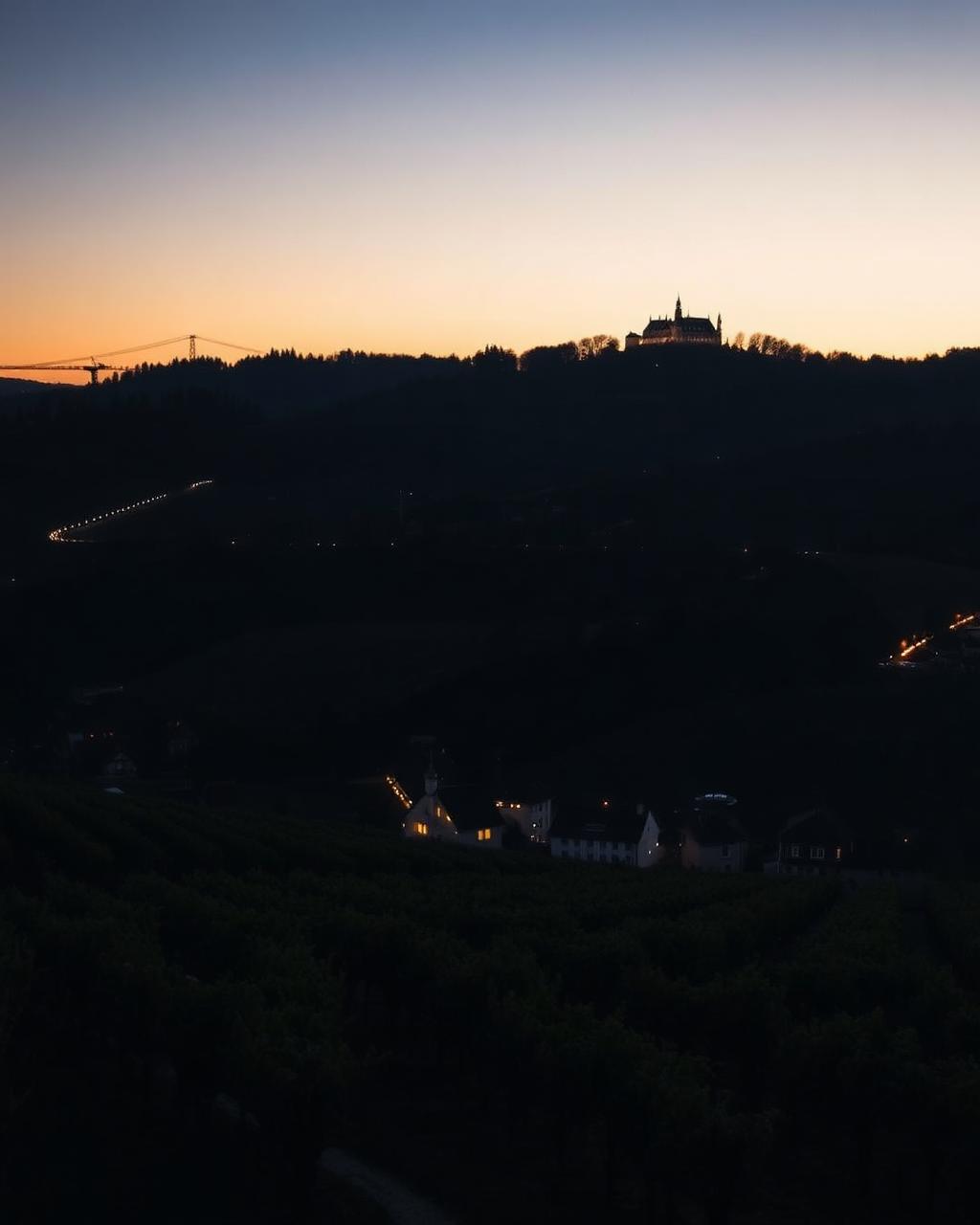
Hoffenheim is the village that became a Bundesliga side. Stay in Heidelberg, drive in through vineyards, and find a stadium with the cleanest sightlines in the league. A different kind of weekend — quieter, deeper, distinctly German.
Augsburg
Renaissance Bavaria, modern football.
FC Augsburg
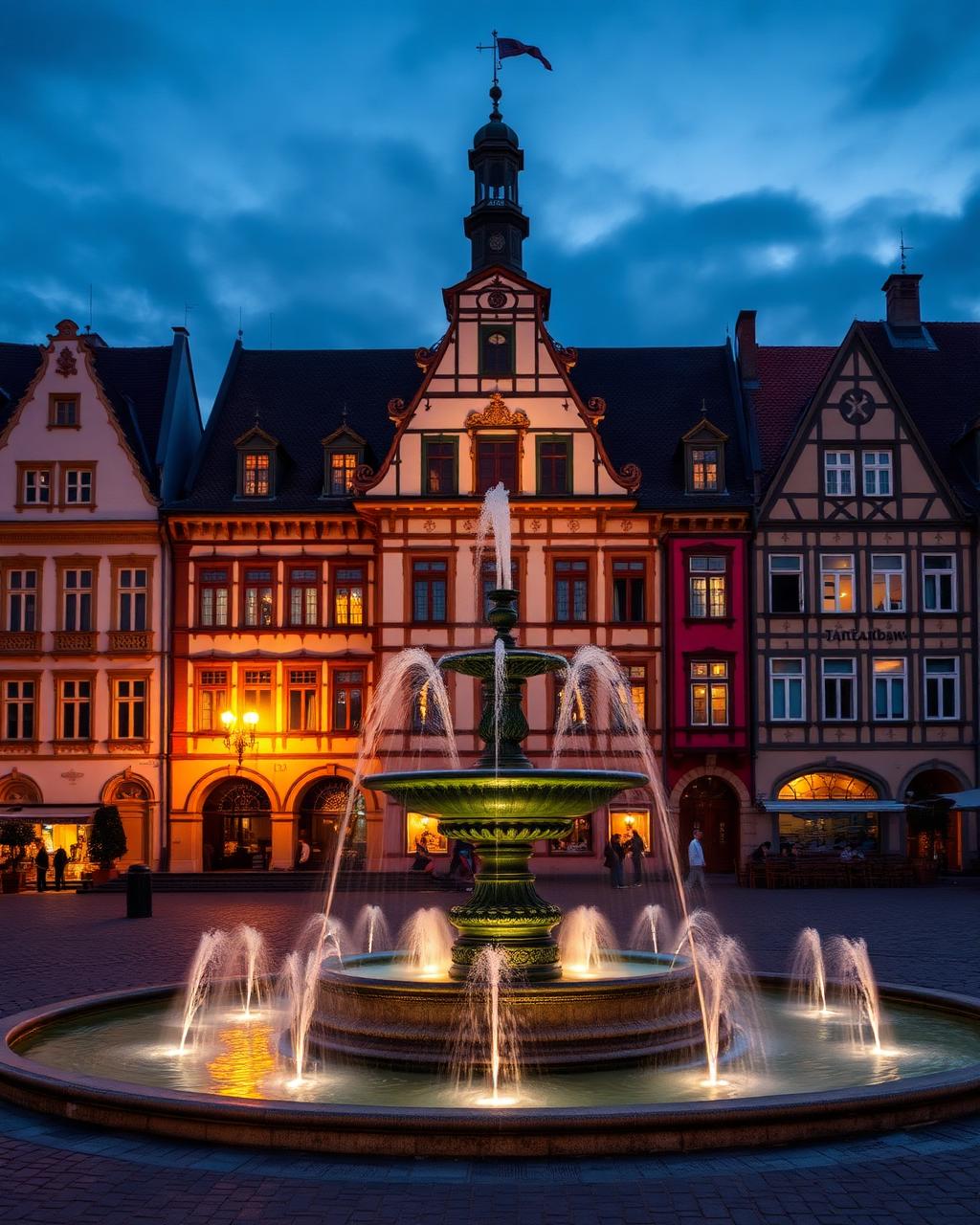
Augsburg is a small Bavarian masterpiece — older than Munich, quieter, with a renaissance core that few foreign visitors have seen. Combine matchday with a day trip to Neuschwanstein and you have the most underrated weekend in German football.
Heidenheim
The smallest town in the top flight.
1. FC Heidenheim
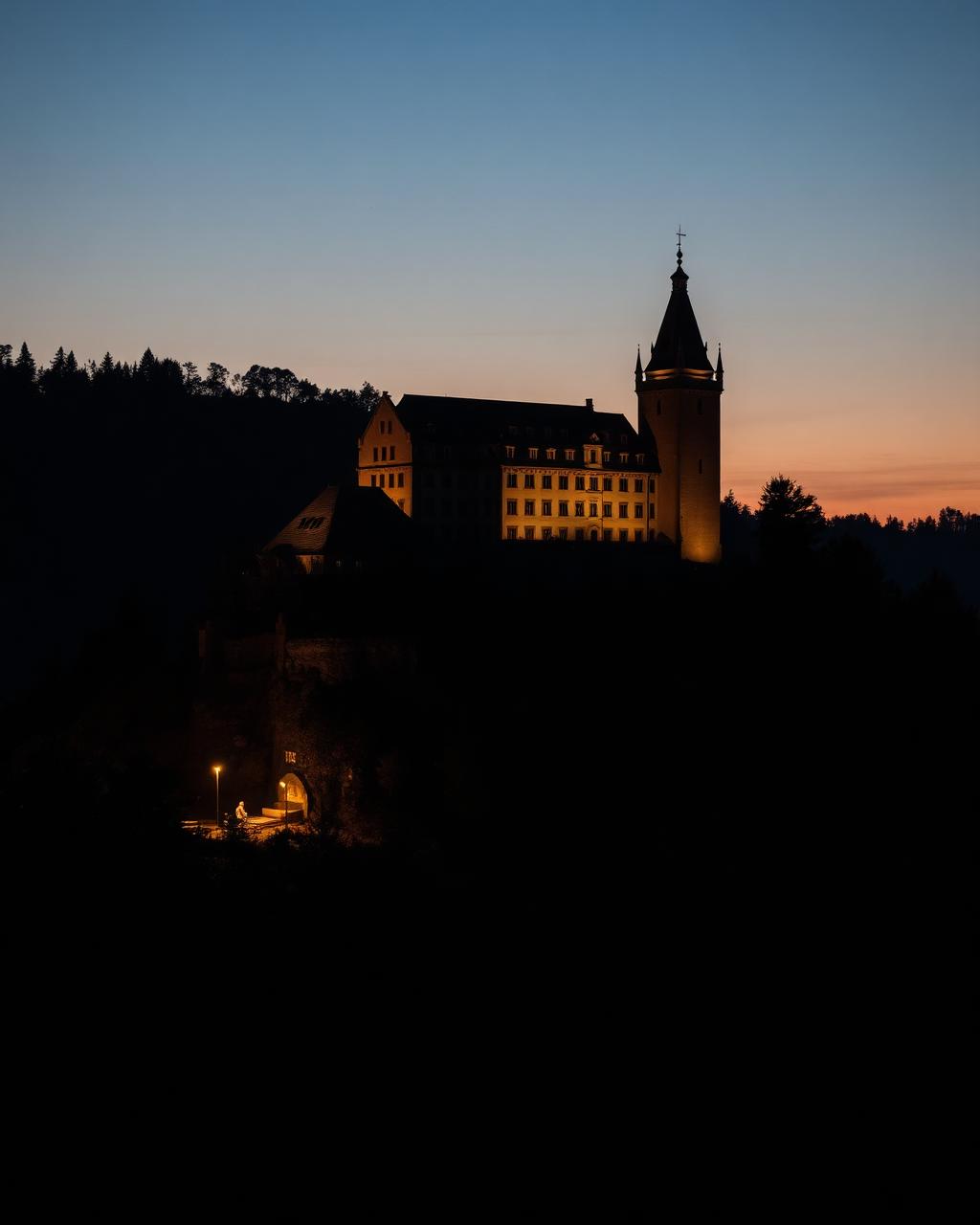
Heidenheim has fewer residents than the average Premier League stadium holds. That a club from this castle-shadowed valley plays Bayern twice a year is the purest reason to love the Bundesliga. Come for the underdog, stay for the Black Forest air.
Bochum
Ruhrpott, raw and real.
VfL Bochum
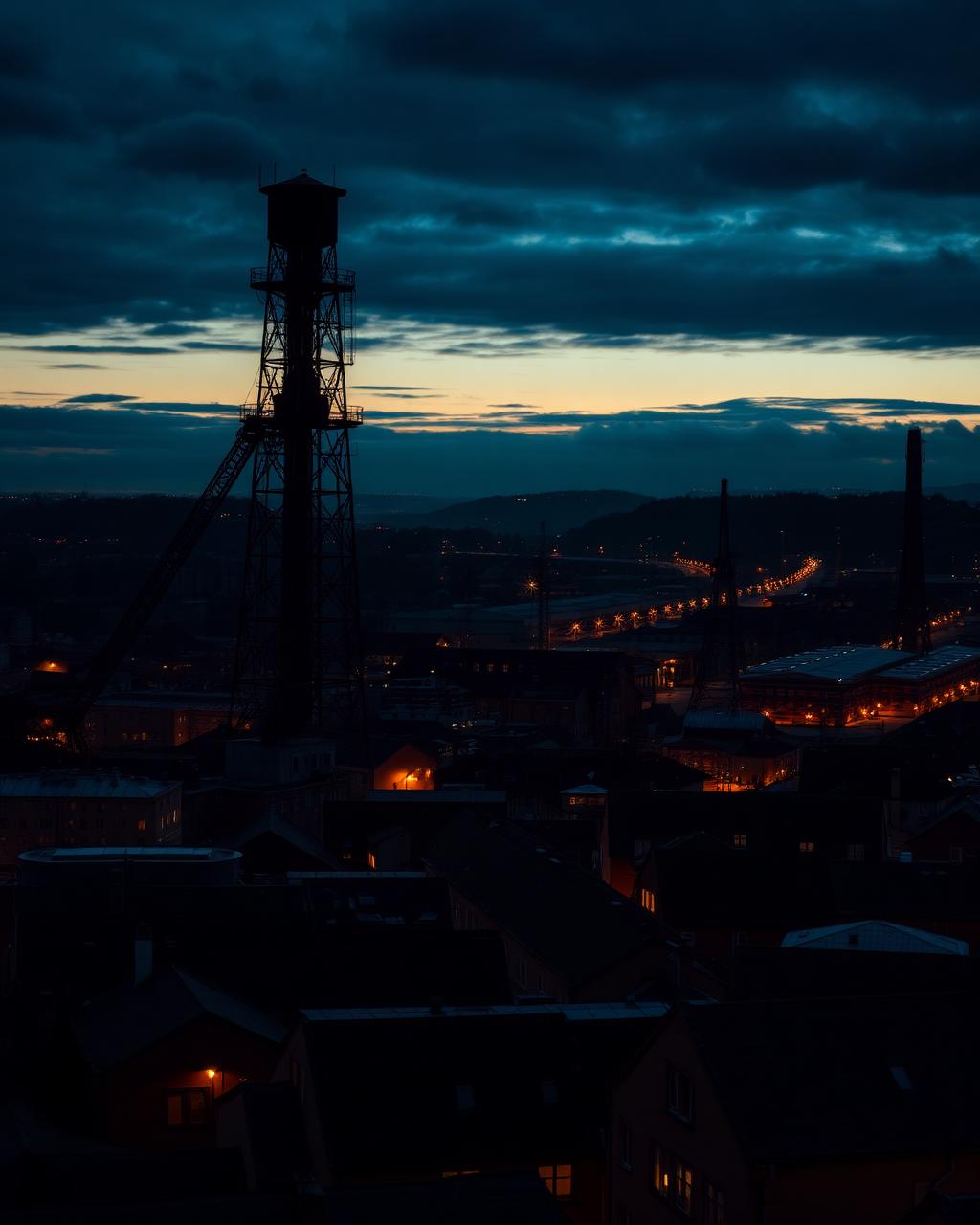
Bochum is the city Grönemeyer wrote a love song to, and you understand it the moment the Ostkurve starts. No frills, no glass towers — just a Ruhr city and a club that means everything to the people in it. Pair it with Dortmund or Schalke for the full Pott weekend.
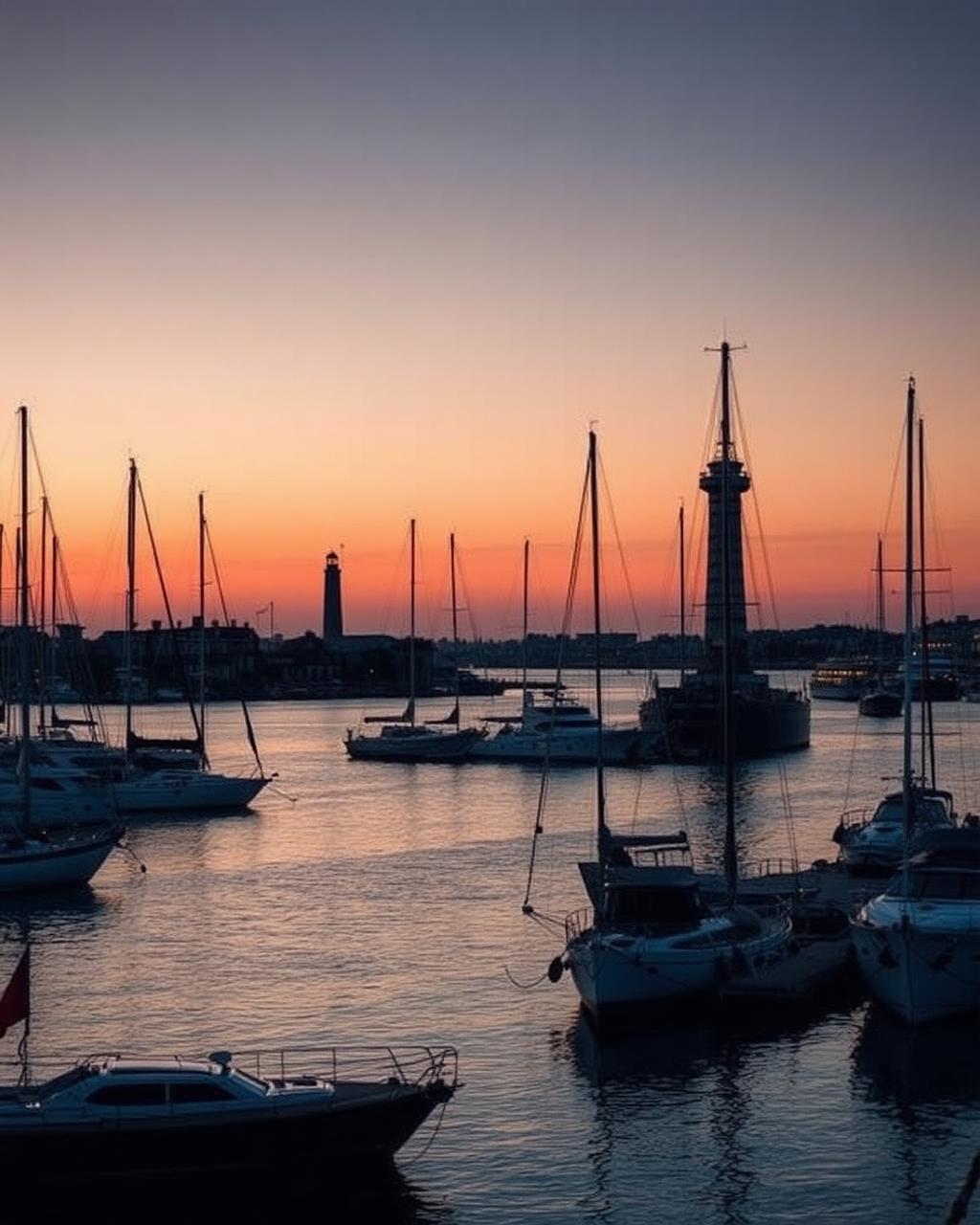
Kiel
The Baltic newcomer.
Holstein Kiel
Kiel arrived in the Bundesliga off a perfect storyline: a small Baltic port club that climbed without big money. Pair the matchday with a fjord cruise, fresh fish at the harbour, and a city that feels closer to Copenhagen than to the rest of Germany.